We helped a steel manufacturing plant optimize its energy consumption through advanced monitoring, process adjustments.
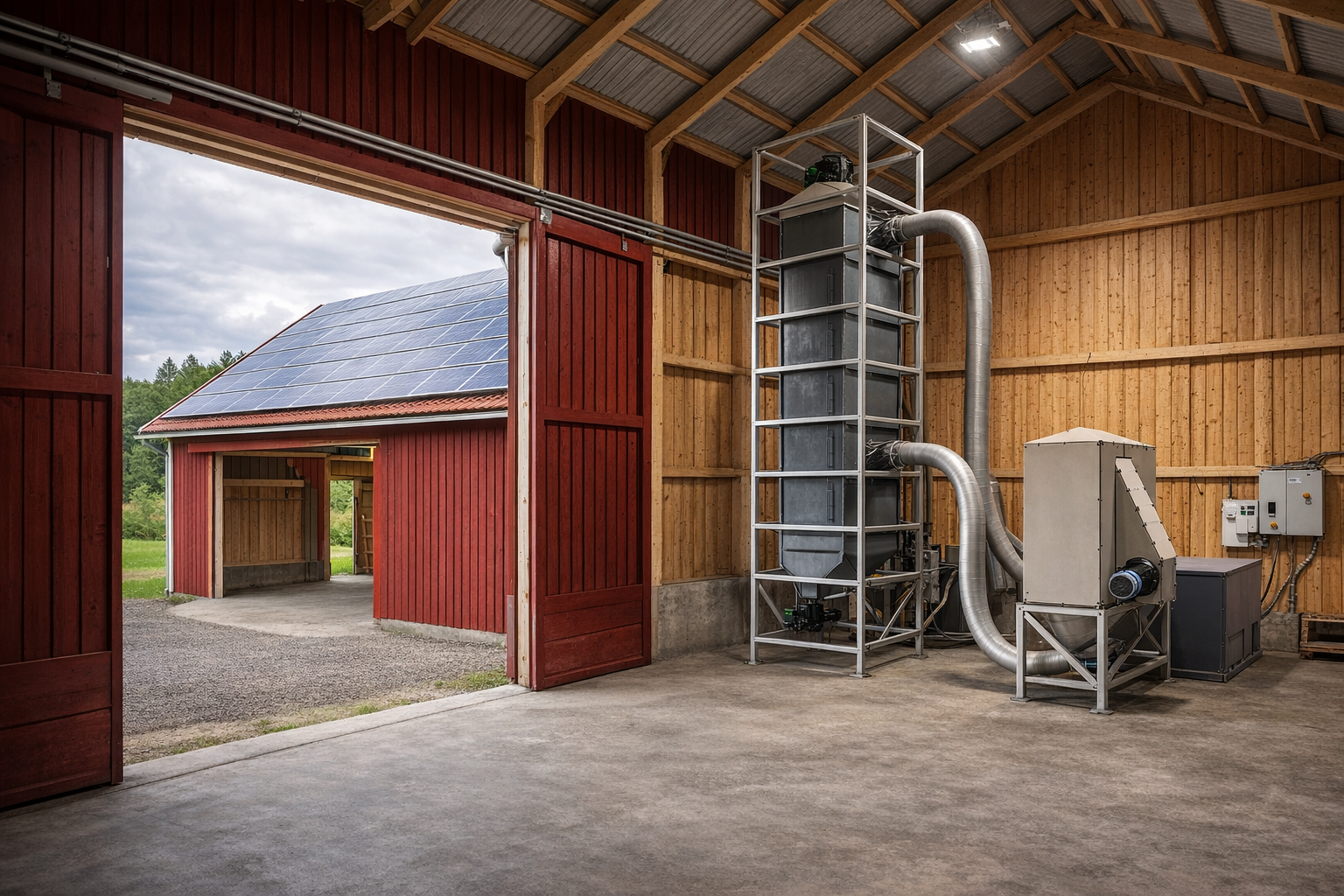
Traditional grain drying systems are energy-intensive, dependent on fossil fuels, and often inefficient in handling varying materials such as grain and biomass. Farmers across Europe face increasing pressure to reduce energy consumption while maintaining high drying capacity.
At the same time, conventional drying systems are typically used for only about one month per year, making them a significant and underutilized investment for the average farmer.
The project therefore set out to answer two key questions:
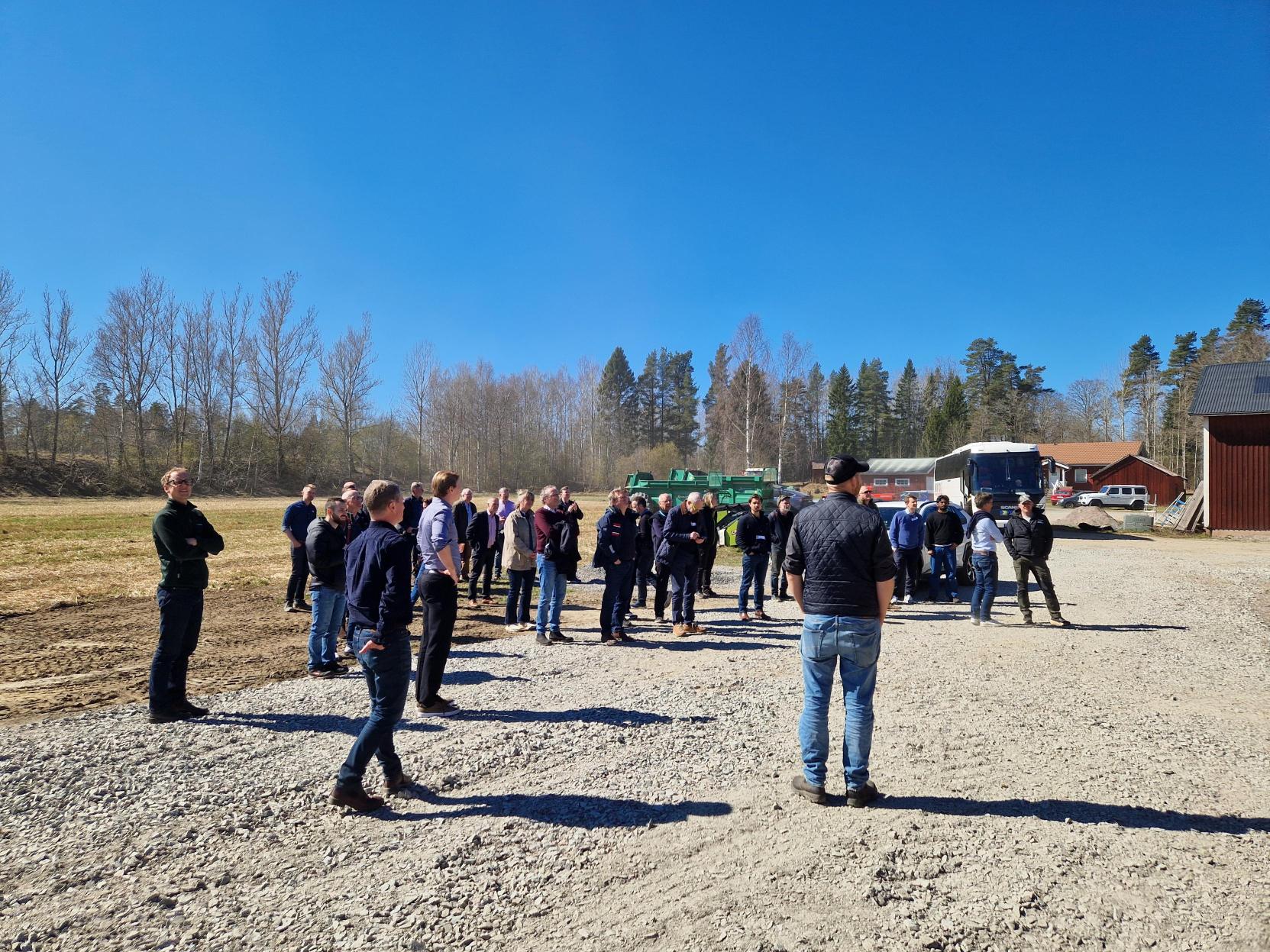
Infrasonik developed an innovative drying system called Infradryer based on infrasound technology, capable of improving drying efficiency by up to 75% compared to traditional methods. Which is now based in Valbo.
The system combines:
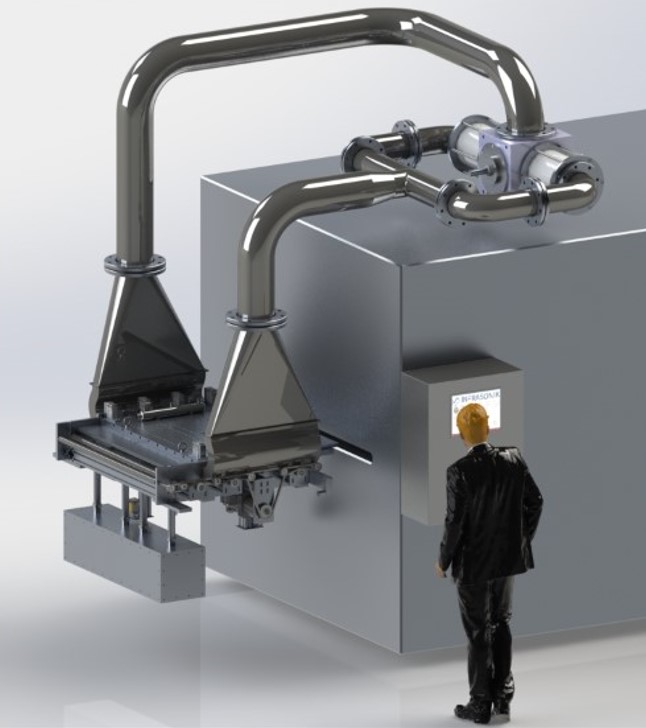
A key design feature is the multi-tray system, where material moves stepwise through the dryer. Each tray opens and closes in a controlled sequence, ensuring consistent drying and flow control.
Infrasound acts as a catalyst within the drying system, enhancing heat and mass transfer between the airflow and the material. It promotes a fluidized behavior in the material, increasing the drying rate while ensuring uniform and homogeneous drying.
By maximizing the effectiveness of the airflow, the technology improves overall efficiency without relying on excessively high temperatures. This results in lower outlet air temperatures and enables the system to operate with exhaust air at over 90% relative humidity, ensuring that the available energy is utilized to its fullest potential.
The project was executed in carefully planned stages to minimize downtime and ensure smooth integration.


A project like this requires not only time, but also ambition and determination. Only by committing fully can you truly reap the rewards of your work.


.png)