In may, our specialist Winston Olsson from Infrasonik had the opportunity to be part of the Energy Efficiency for Sustainable Livelihoods in Africa (EELA) initiative, together with the Swedish Energy Agency - International, and Business Sweden.

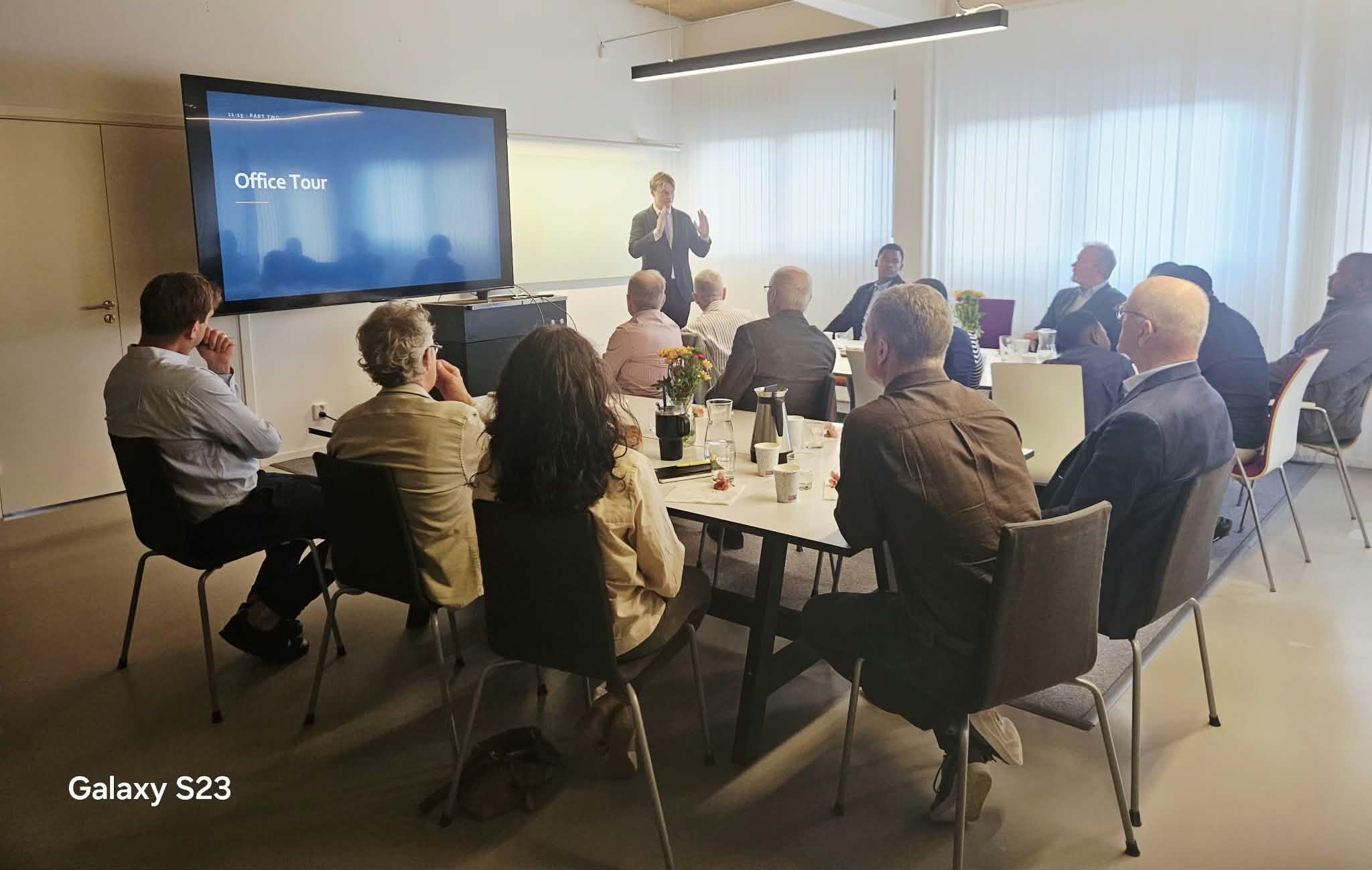
In May, our Infradryer manager Winston Olsson from Infrasonik had the opportunity to be part of the Energy Efficiency for Sustainable Livelihoods in Africa (EELA) initiative, together with the Swedish Energy Agency - International, and Business Sweden. During the Sustainable Manufacturing Week in Nairobi, he met with manufacturers, investors and sustainability focused organizations to discuss one of industry's biggest challenges: energy intensive drying processes. The conversations were very insightful.
Drying is one of the most energy intensive processes in industry, yet it has remained largely unchanged for decades. Our infrasound drying technology offers a fundamentally different approach: significantly lower energy consumption, faster throughput, and a more robust method.One concrete opportunity we explored is using infrasound to dry bagasse, the fibrous residue left after sugarcane processing. Dried bagasse becomes a viable heat source in its own right, which could meaningfully reduce the amount of eucalyptus needed for industrial drying processes such as tea production. This means less deforestation pressure, lower fuel costs, and a more circular use of what is otherwise a waste product.
Meetings with organizations such as Tamu Group, UNIDO, Tetra Pak Kenya, Ngorongo Tea Factory Ltd, and financial institutions like Kenya Investment Authority (InvestKenya) and more, suggest that East African industry is ready for practical technologies that reduce energy losses and improve competitiveness.
We are now looking into how to bring this technology closer to implementation in the region. Follow along as we take the next steps.




.jpeg)